

Patio Door Locks Repair
Your home's security depends on the locks on your patio door. If they don't work properly, you can put your family and possessions at risk.
It's easy to fix patio door lock issues by following a few easy steps. This easy fix is to lubricate and cleaning the lock.
Check the lock
Patio doors are an essential security feature. They must be strong enough to withstand the elements and keep burglars away. However, wear and tear, hot and cold weather, and dust can cause damage to the door frames hinges, hinges and locking mechanisms, and eventually cause them to cease to function as they ought to. It is crucial to be on the lookout and regularly check your sliding doors for damage and then make any repairs needed.
The most frequent problems with patio door locks is difficulty locking or unlocking them, a latch that is stuck and keys that do not move smoothly. Depending on the particular issue you're having, you may need to tighten screws or adjust the mechanism of the lock to get it working again.
If your patio door lock is stuck in the open position and you cannot open it, try using a flat-head or credit card. If none of these options are working, you should contact a professional locksmith who will help you open the lock on your patio door without damaging the frame.
The mortise lock that is used on sliding uPVC patio door is usually a handle and a cylinder that secures the lock. They are quite safe, but they may be prone to bending or breaking under the pressure of a door that has been slammed. You should check the mortise locks and handles for indications of wear like bends or scratches before they break and you have to replace them.
It's also a good idea to know the dimensions and location of the existing lock by taking a picture with your digital camera. You can then provide the details to a dealer if you are looking for an alternative lock. This will ensure that you get the right lock for your door and is compatible with the current mounting setup. In the event that it isn't, you'll have a difficult time trying to install a new lock that's not compatible with the existing hardware. This could lead to more problems later on.
Clean the Lock
Patio doors are the most popular entrance point into the home, making them an ideal target for burglars. It is therefore essential that the locks on your patio doors are functional and conform to Police & Insurance standards.
There are fortunately simple steps that you can follow to deal with locks that are refusing to cooperate. Whether you need to realign the patio door, clean the lock or even replace it, these four basic steps will ensure that your doors function properly and providing the level of security that you're looking for.
The first thing you must do is give the lock a good clean with some hot soapy water and a damp cloth. You will want to remove any dirt or stains that have accumulated on the lock. After you've done that you can use dry cloths to get rid of any moisture and let the lock air-dry before attempting to re-insert it.
Next, you should be sure to lubricate your lock. This is especially important for uPVC doors that tend to become very squeaky in time. You can apply a spray lubricant like WD40 or petroleum jelly to lubricate the keyways and internal mechanisms. After applying the lubricant to your key, clean it off to avoid spreading any dirt that may have been accumulated.
After your uPVC patio doors have been cleaned and lubricated, then test them. Check to see if the door is moving through the frame with ease. Also, ensure that the hinges and locking points are aligned correctly with the frame of the door. You should be able to see the alignment marks on the edges of your door's frame, and you can easily correct them by re-aligning the doors with the frame.
Lastly, it's worth noting that there are various types of uPVC patio door locks available, and you may have to replace the lock if the one you have is damaged or broken. For instance, if your have E2011 patio door locks, you'll need to replace them with E2469 or E2487 lock assemblies to be safe. These assemblies are made up of three components, including an E2014 mortise lock, an escutcheon, and a lock hasp.
Lubricate the Lock
The mechanism of the lock for the majority of patio doors is concealed inside the door. If your key cylinder is wearing out or you want to upgrade the lock to ensure greater security, you can purchase the replacement kit at most home improvement stores or locksmiths. These kits cost $10 to $20, and come with a tool for opening the lock and an additional key cylinder. The instructions included in the kit will tell you how to remove and clean the old lock. Install the new lock. Depending on how tightly the key cylinder fits in the hole in the lock it may be necessary to adjust it a bit for proper operation.
Dry graphite powder can be used to lubricate locks. It is an inexpensive and popular alternative to liquid lubricants, which draw dust and gum the mechanism. It is available at hardware stores, model trains shops, and even some office supply stores. If patio door repairs decide to use it, make sure the piece of dry graphite is free from tiny bits of wood stuck to it. You can also buy an industrial graphite lubricant that is available in spray form. The solvent in the spray disperses when it is applied, leaving behind a dry layer of graphite that lubricates the lock.
You can also lubricate your lock by spraying WD-40 into the keyway. Then, push your key in and out several times to spread the lubricant throughout the lock. After some time, try the key again and check if it turns easily. If your key is still stuck, try it again a few days after the WD-40 has dried.
Changing your patio door locks is a simple task for most homeowners, but the process could be more complicated if you have a sliding door that has an invisible latch as well as a deadbolt lock built-in. If your patio door has an invisible latch, you'll have to remove the decorative cover by unscrewing the screws holding the cover in place using the aid of a screwdriver. If your patio door is fitted with a deadbolt, you'll need to remove the bolt from the door's edge. After removing both the knob and the deadbolt assembly, you can put in the new lock.
Replace the Lock
Patio doors are a crucial element of your home's security and it's not uncommon that they malfunction at times. The debris could get caught within the lock mechanism or it could wear out over the course of time. In either case, a damaged patio door latch presents an extremely risk to the security of your home. Regularly inspecting your patio door locks can help keep them in good condition and will allow you to correct any issues that arise.
If you can't solve the issue then you'll have to replace it. This is a task that most homeowners can handle at home, however, it's important to carefully follow the directions to ensure that the new lock is compatible with your current system. It's also a good idea to take the old lock with you to the store so that a customer service representative can guide you towards a replacement.
To replace a patio door handle, remove the handle. This can be done by removing screws that hold the handle in place. Once the handle has been removed, you will be able to gain access to the screws that hold the lock body in place.
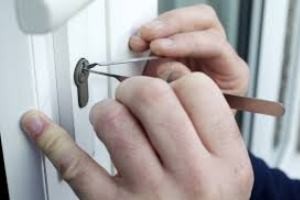
Once the screws are removed, you can remove the latch body of the door frame. Secure the lever with a graphite pen. It will fall into the frame if it is not secured. The next step is to remove the door strike from the jamb. This will reveal the hole that the lock hook goes into when the patio door is closed. After the old door strike is removed you can put the new one into place.
When re-screwing the door strike, you must be sure to use longer screws as these will be used to secure the strike to the frame. Verify that the new strike is aligned with the opening of the door frame, and tighten both together.
There are a variety of locks for patio doors The most popular is a central rail lock that is operated by a key. These bolt the doors into the frame at multiple points and when keys are inserted all points must lock simultaneously. These locks provide a greater level of security than standard locking systems, and often provide discounts on your homeowner's insurance.